

Ausbildung in Germany – Complete Guide for International Students (2026)
What is Ausbildung in Germany?
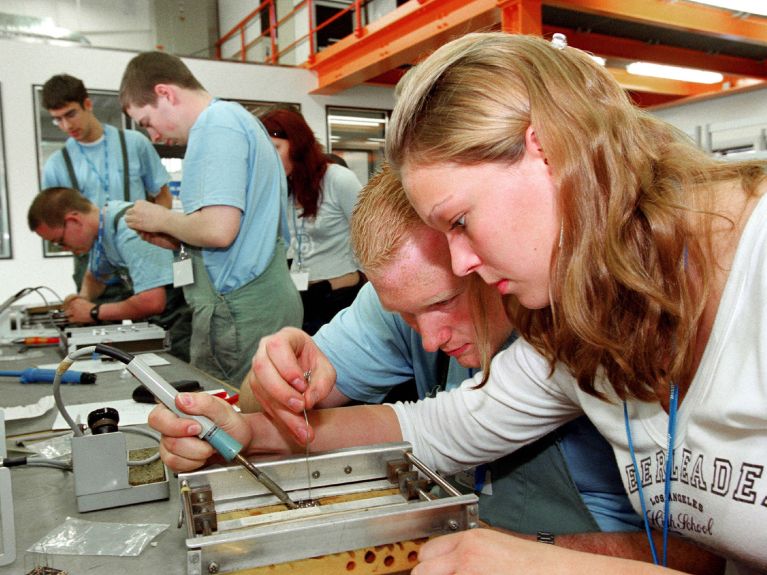
Ausbildung is Germany’s dual vocational training system that combines:
? Theoretical education at a vocational school (Berufsschule)
? Practical training at a company
This system allows students to earn while they learn and gain professional qualifications recognized across Germany and the European Union.
The German dual education model is officially known as the Dual Vocational Training System (Duale Ausbildung) and is supported by the German government and industries.
Types of Ausbildung in Germany
There are mainly two types of vocational training:
1️⃣ Dual Ausbildung (Duale Ausbildung)
3–4 days per week in a company
1–2 days per week in vocational school
Monthly salary provided
Duration: 2–3.5 years
This is the most popular option for international students.
2️⃣ School-Based Ausbildung (Schulische Ausbildung)
Mainly classroom-based
Often unpaid or low-paid
Common in healthcare and social professions
Top Ausbildung Courses in Germany
Here are some of the most in-demand Ausbildung programs in 2026:
Nursing (Pflegefachmann/Pflegefachfrau)
IT Specialist (Fachinformatiker)
Hotel Management
Automotive Mechatronics
Electrician
Industrial Mechanic
Retail Salesperson
Chef / Cook
Mechatronics Technician
Warehouse Logistics Specialist
Healthcare, IT, and skilled trades are especially popular among international applicants.
Requirements for Ausbildung in Germany
To apply for Ausbildung, you generally need:
✅ Educational Qualification
Minimum: 10th or 12th grade (depends on course)
School certificate equivalent to German standards
✅ German Language Skills
Minimum B1 level (B2 recommended)
Recognized certificate (Goethe, TELC, ÖSD)
✅ Age Limit
Usually 17–30 years (no strict legal limit, but companies prefer young applicants)
✅ Valid Visa (for non-EU citizens)
Salary During Ausbildung
One of the biggest advantages of Ausbildung in Germany is that you receive a monthly stipend.
Average monthly salary (gross):
1st year: €800 – €1,100
2nd year: €900 – €1,200
3rd year: €1,000 – €1,300
Healthcare and technical fields often pay higher salaries.
Ausbildung Visa for Germany
Non-EU students must apply for a Vocational Training Visa (Ausbildung Visa).
Requirements include:
Signed Ausbildung contract
Proof of German language (B1/B2)
Blocked account (if salary is low)
Health insurance
Valid passport
Processing time: 6–12 weeks depending on your country.
Benefits of Doing Ausbildung in Germany
✨ Earn while studying
✨ Practical work experience
✨ High employment rate after completion
✨ Opportunity for permanent residency
✨ No high tuition fees
✨ Strong job security in skilled sectors
After completing Ausbildung, students can apply for a work visa and later permanent residence in Germany.
How to Apply for Ausbildung in Germany
Follow these steps:
Learn German (minimum B1 level)
Prepare CV in German format
Apply directly to German companies
Attend online interviews
Receive contract
Apply for Ausbildung visa
Move to Germany and start training
Applications usually open 6–12 months before the start date (August/September intake is most common).
Cost of Living in Germany for Ausbildung Students
Average monthly expenses:
Accommodation: €300–€600
Food: €150–€250
Health insurance: €110–€120
Transportation: €50–€100
Total average: €700–€1,100 per month
Since you earn a salary, many students can manage their expenses without additional financial support.
Career Opportunities After Ausbildung
After completing your vocational training, you can:
Work full-time in Germany
Apply for EU Blue Card (if eligible)
Pursue further education (Meister or Bachelor’s degree)
Apply for Permanent Residency after a few years
Germany faces a skilled labor shortage, which increases job opportunities for Ausbildung graduates.
Why Choose Germany for Vocational Training?
Germany is Europe’s largest economy and home to world-famous companies in automotive, engineering, healthcare, and technology sectors. The Ausbildung system ensures high-quality training and excellent career stability.
Final Thoughts
Ausbildung in Germany is an excellent opportunity for international students who want practical education, job security, and a future in Europe. With proper preparation — especially learning German — you can successfully start your career through the German vocational training system.